
23+ SMART Goals for Freelancers in 2024: Rock This Year
Setting SMART goals for freelancers isn’t just a best practice, it’s a roadmap to success in a landscape where self-motivation and direction are key. Imagine navigating the freelance world, where every project is a new adventure and each client a new horizon to explore.
The right goals can be your compass, guiding you through challenges and towards opportunities you might never have imagined. In this post, we delve into the art of crafting SMART goals tailored for the unique journey of a freelancer.
From enhancing client satisfaction to mastering time management, each goal is a stepping stone towards building a thriving freelance career. As we explore these goals, remember that SMART goals for freelancers are more than just targets; they are the milestones that mark your journey to success.
What is a SMART Goal?
A SMART goal is a carefully planned objective that embodies five key characteristics: Specific, Measurable, Achievable, Relevant, and Time-bound. That is they are:
- Specific: The goal is clear and well-defined, leaving no room for ambiguity about what you aim to achieve. It answers the questions of who is involved, what you want to accomplish, where it will happen, and why it’s important.
- Measurable: It includes precise criteria for tracking progress and measuring the outcome. This aspect answers the question of how you’ll know when the goal is accomplished, providing tangible benchmarks to gauge success.
- Achievable: While being ambitious, the goal remains attainable. This means it’s realistic and manageable given your current resources and constraints. It challenges you but doesn’t set you up for failure.
- Relevant: The goal aligns with broader objectives and is significant to your personal or professional growth. It should matter to you and contribute positively to your desired path or vision.
- Time-bound: It has a clear deadline, creating a sense of urgency and helping you focus on completion. This timeframe provides a target date to work towards and helps in prioritizing tasks.
In essence, a SMART goal is a roadmap for success, providing clarity, focus, motivation, and a clear plan of action. By adhering to these criteria, goals become more than just wishes, they transform into achievable steps that lead to real results.
SMART Goals for Freelancers
1. Specific Client Acquisition
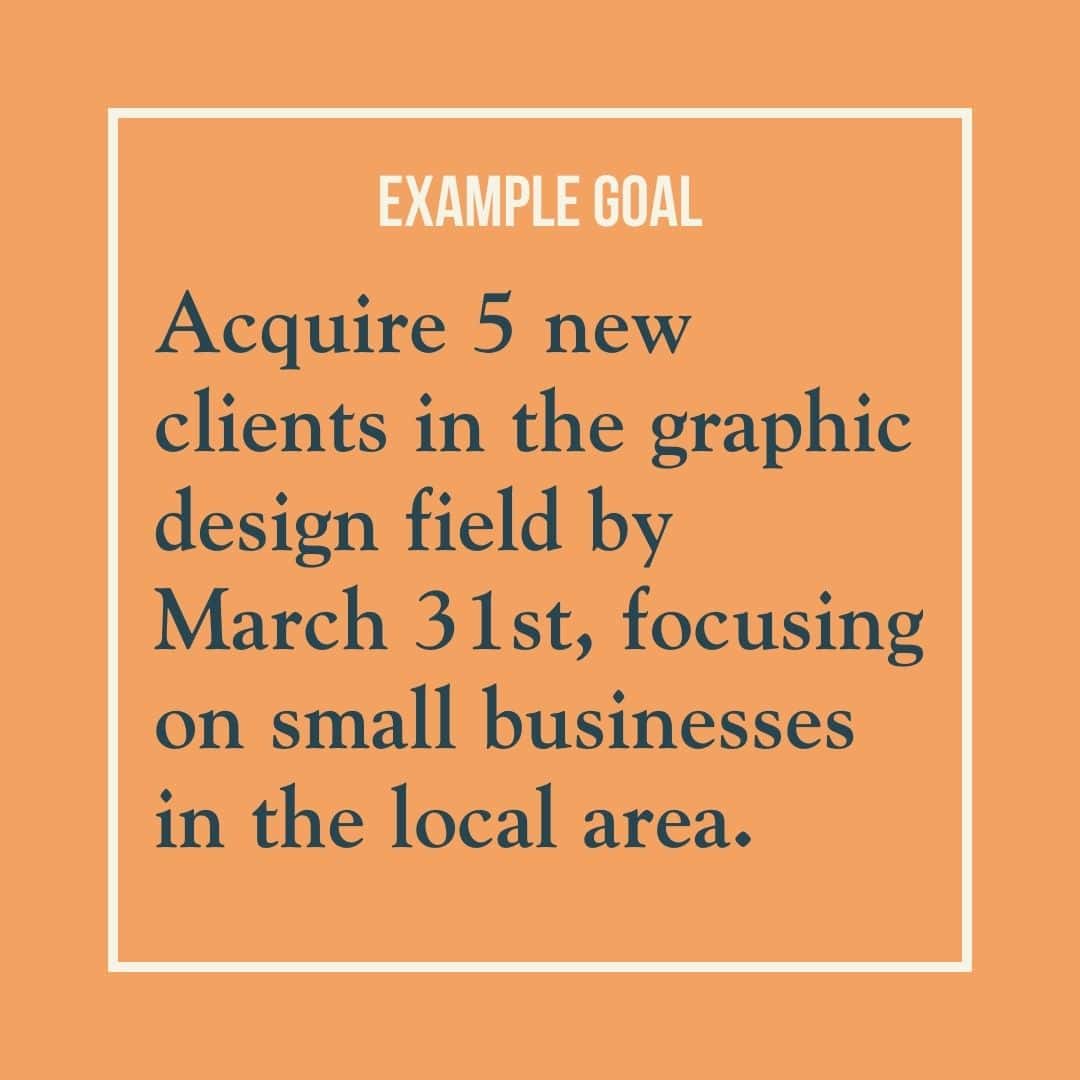
This client acquisition focused goal is SMART (Specific, Measurable, Achievable, Relevant, Time-bound) as it clearly defines a quantifiable target (5 new clients), a specific niche (graphic design for small businesses), and a deadline (March 31st).
For a freelancer just starting out, this goal is both practical and focused. It encourages the freelancer to understand and penetrate the local market, which is often more accessible for new entrants. By targeting small businesses, the freelancer can leverage personal relationships and local networks, which are crucial in the early stages of building a client base.
This goal also allows for measurable progress, making it easier to track and adjust strategies if needed.

2. Portfolio Development
This goal is SMART as it specifies the task (creating a portfolio website), the extent of the content (10 projects), and sets a deadline (April 15th). For a new freelancer, having a professional portfolio is essential to attract clients. It provides a platform to display skills and past work effectively.
This goal also encourages the freelancer to critically evaluate and select their best work, which aids in presenting a strong and focused brand image. The deadline ensures that the freelancer prioritizes this task, which is key to marketing their services.

3. Networking Expansion
This goal is SMART as it is specific (attending networking events), measurable (two events per month), achievable, relevant, and time-bound (six months). For a freelancer at the beginning of their career, networking is vital. It opens doors to potential clients, mentors, and collaboration opportunities.
This goal encourages active engagement with the industry, which is crucial for understanding market trends and establishing a professional presence. Regular attendance at these events also helps in building confidence and communication skills, essential for a successful freelancing career.
4. Skill Enhancement
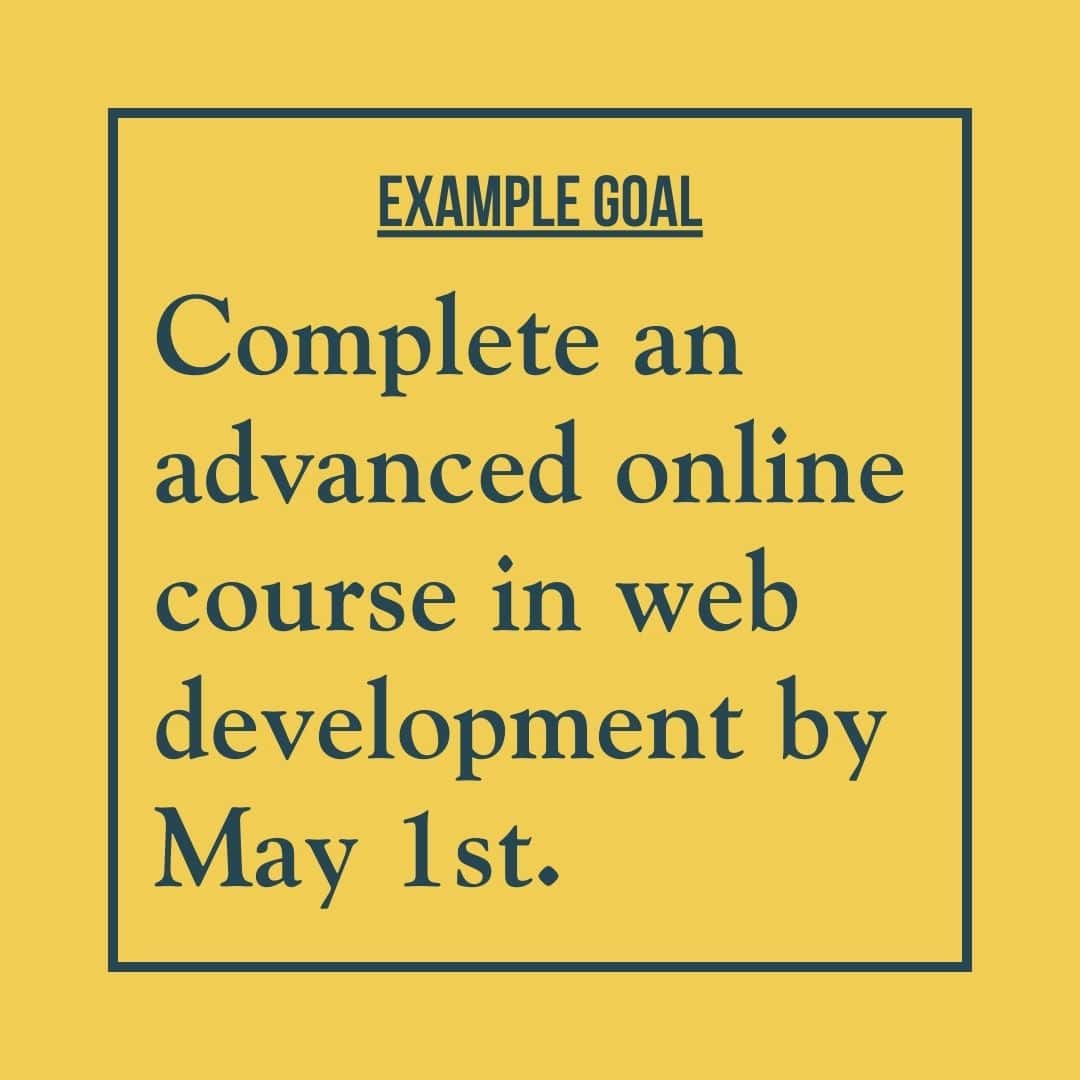
This goal is SMART as it clearly outlines the objective (completing a course), the field of study (web development), and a deadline (May 1st). For a new freelancer, continually upgrading skills is important to stay competitive and meet diverse client needs.
This goal ensures that the freelancer is not only keeping up with industry trends but also expanding their service offerings. It also demonstrates a commitment to professional growth, which can be attractive to potential clients looking for dedicated and up-to-date freelancers.
5. Income Increase
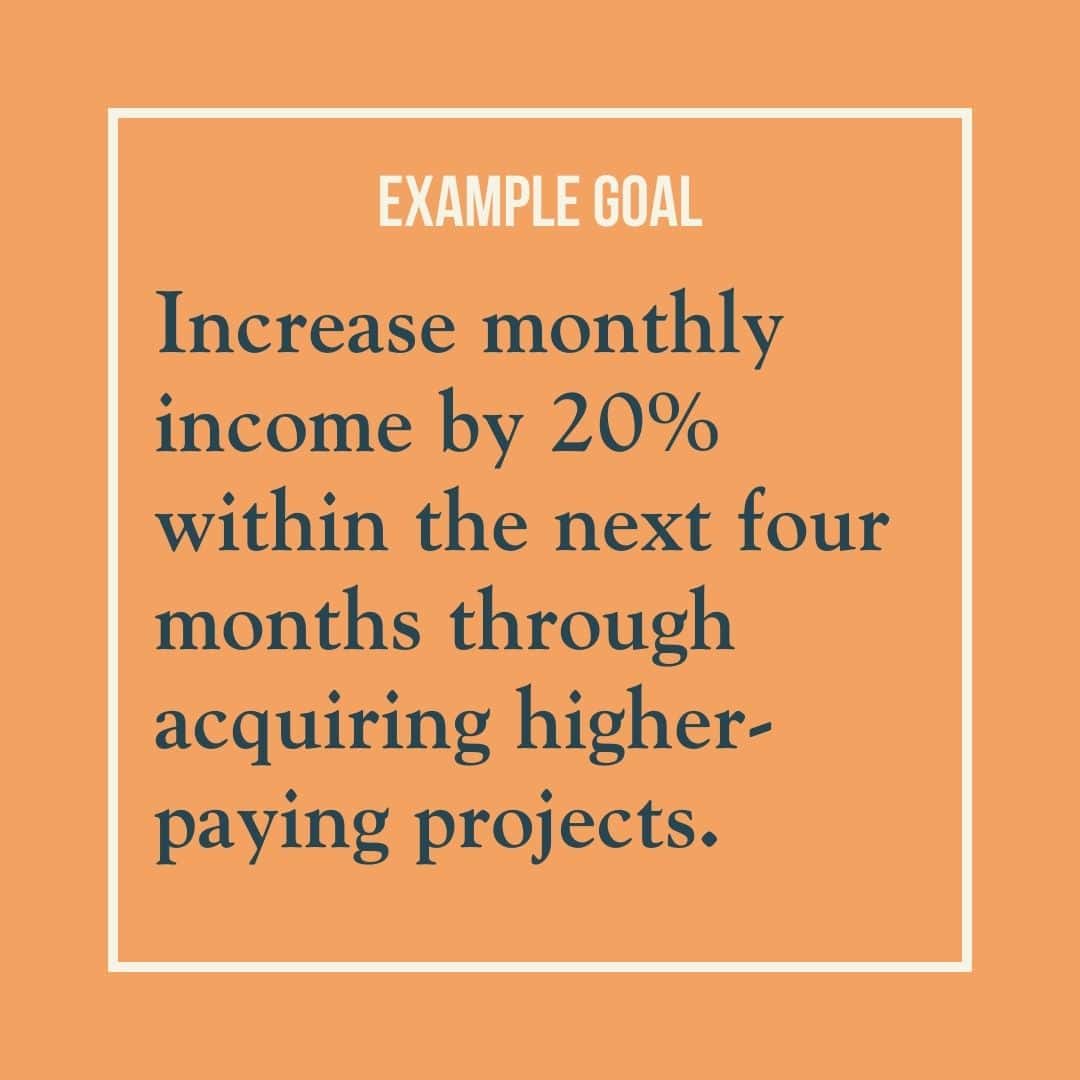
This goal is SMART as it sets a clear financial target (20% income increase), a method (acquiring higher-paying projects), and a timeframe (four months). For a freelancer starting out, setting financial goals is crucial for tracking business growth and ensuring sustainability.
This goal encourages the freelancer to seek out more lucrative opportunities, which may involve targeting a different client segment or enhancing service quality. It also prompts a review of pricing strategies, which is an important aspect of freelance business management.
This goal not only focuses on immediate financial growth but also on understanding and adapting to the market value of their services. Honestly, this is what you want your financial goals to look like as a freelancer!
6. Client Satisfaction
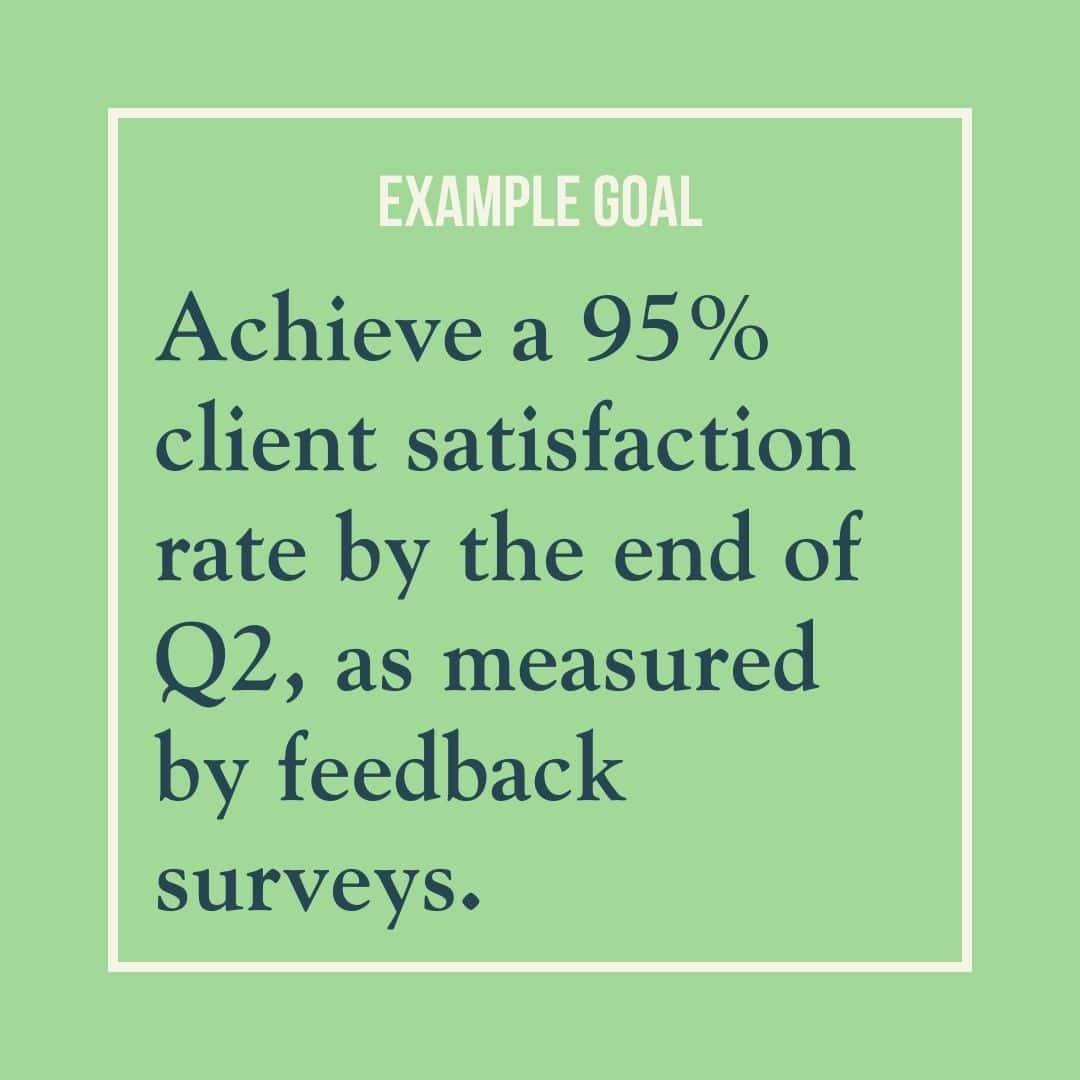
This goal is SMART as it sets a clear, quantifiable target (95% satisfaction rate), a method of measurement (feedback surveys), and a deadline (end of Q2). For a freelancer, especially one who is just starting out, client satisfaction is paramount.
High satisfaction rates can lead to repeat business, referrals, and a strong reputation. This goal encourages the freelancer to focus on quality service and client communication. Regularly collecting and analyzing feedback also helps in identifying areas for improvement and adapting services to better meet client needs.
Achieving this goal would not only enhance client relationships but also contribute to long-term business success. Not sure how to measure client satisfaction? Ask them with a post-project survey (you can do this with a tool like HoneyBook).
7. Time Management
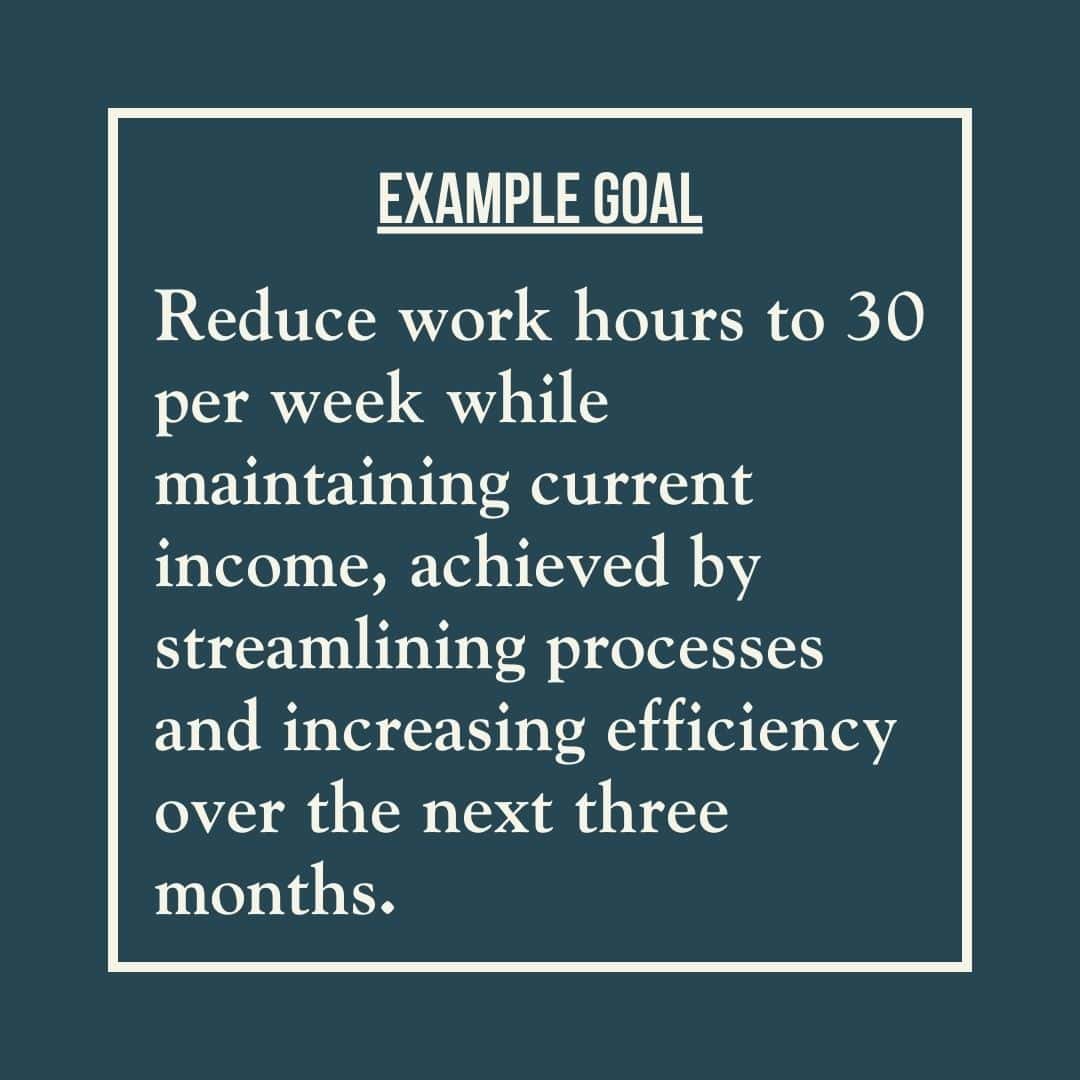
This goal is SMART as it specifies what is to be achieved (reduced work hours), how it will be done (streamlining processes and increasing efficiency), and sets a timeframe (three months). For a new freelancer, effective time management is crucial for work-life balance and sustainability.
This goal encourages the freelancer to evaluate and optimize their work processes, which can lead to increased productivity and efficiency. It also challenges them to focus on high-value tasks and possibly delegate or automate lower-value activities.
Achieving this goal means the freelancer can maintain their income while enjoying more personal time, which is essential for long-term career satisfaction. Freedom is a serious benefit of freelancing.
8. Social Media Presence
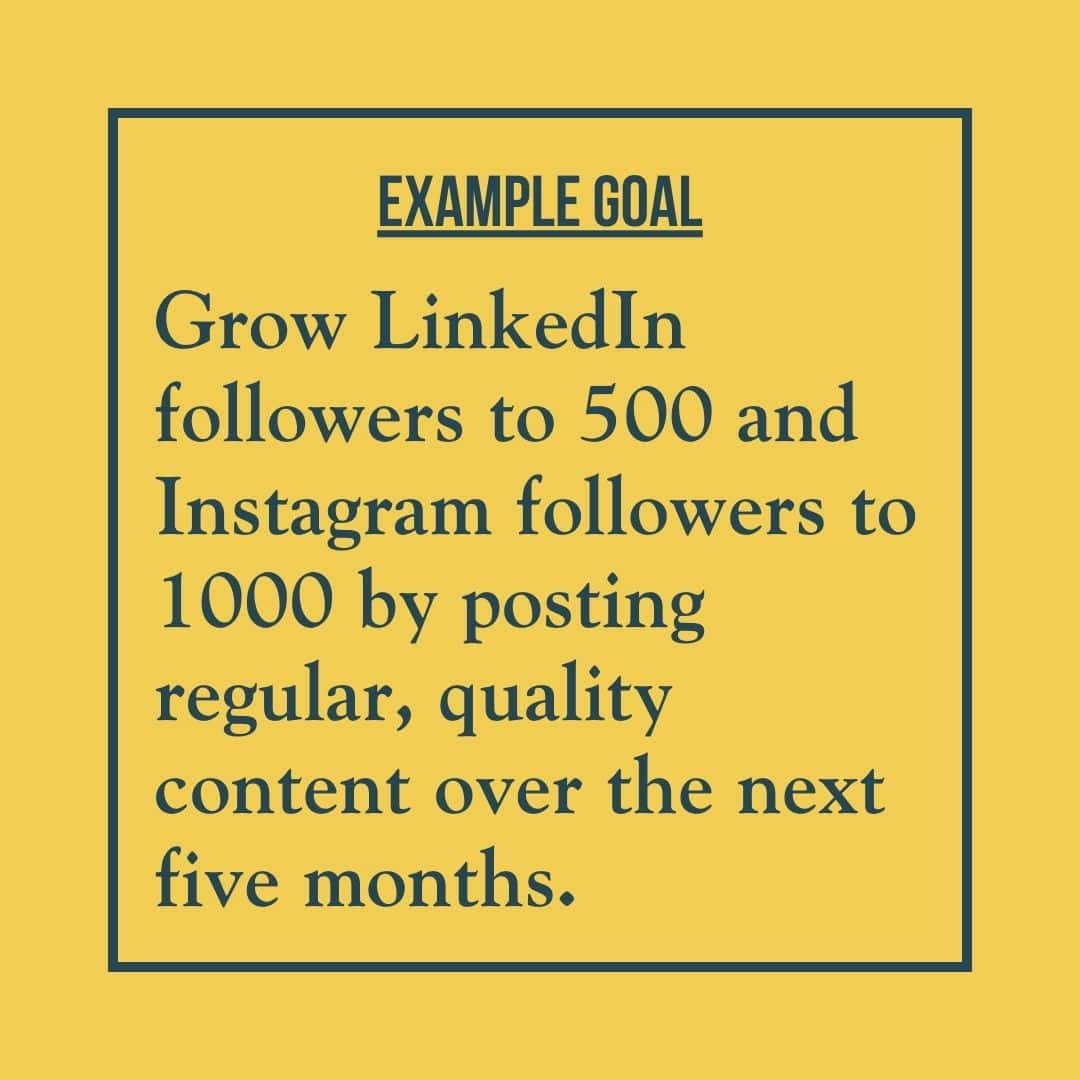
This goal is SMART as it sets specific targets for social media growth (500 LinkedIn followers, 1000 Instagram followers), a method (posting regular, quality content), and a deadline (five months). For freelancers, social media is a powerful tool for marketing and networking.
This goal encourages the freelancer to actively engage with their audience and consistently provide value through their content. It also helps in building a strong online presence, which is essential for attracting new clients and opportunities. Regularly creating and sharing relevant content can establish the freelancer as a knowledgeable and reliable professional in their field.

9. Professional Branding
This goal is SMART as it clearly defines the task (developing a personal brand with a logo and tagline) and sets a deadline (February 20th).
For a freelancer, especially at the start of their career, establishing a strong personal brand is key to standing out in a competitive market. This goal focuses on creating a unique and professional image that reflects the freelancer’s values and services.
A well-designed logo and a catchy tagline can significantly enhance brand recognition and appeal. Completing this goal will provide the freelancer with essential branding tools to use across various marketing and communication platforms.

10. Blog Engagement
This goal is SMART as it outlines a specific plan (starting a blog and publishing bi-weekly), sets a measurable target (1000 monthly visitors), and a timeframe (six months). For a new freelancer, a blog is an excellent platform to showcase expertise, share insights, and engage with a wider audience.
This goal encourages regular content creation, which is key to building an audience and improving search engine visibility. It also helps in establishing the freelancer as a thought leader in their field. Achieving this goal would not only increase online presence but also potentially lead to new client opportunities and collaborations.
11. Client Retention
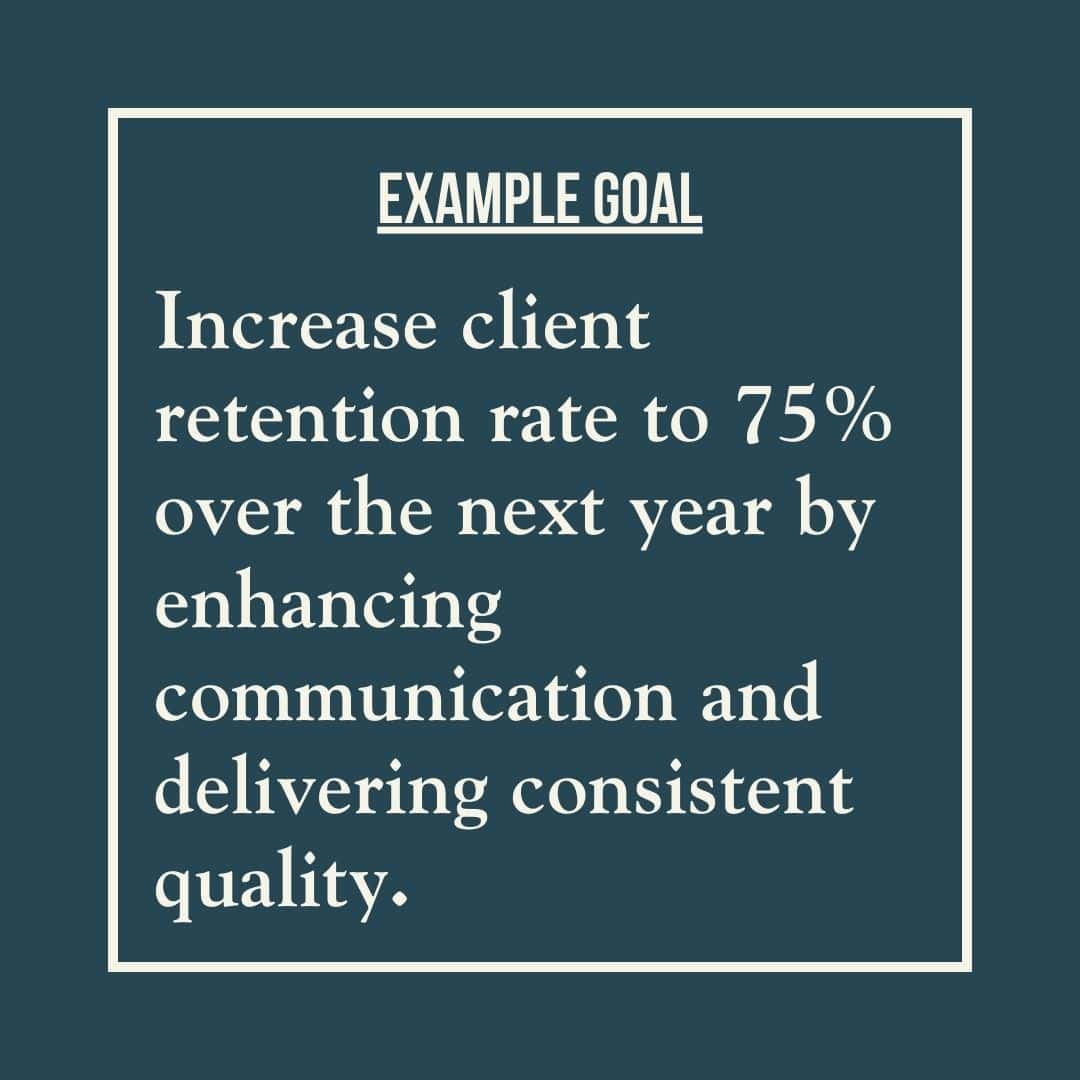
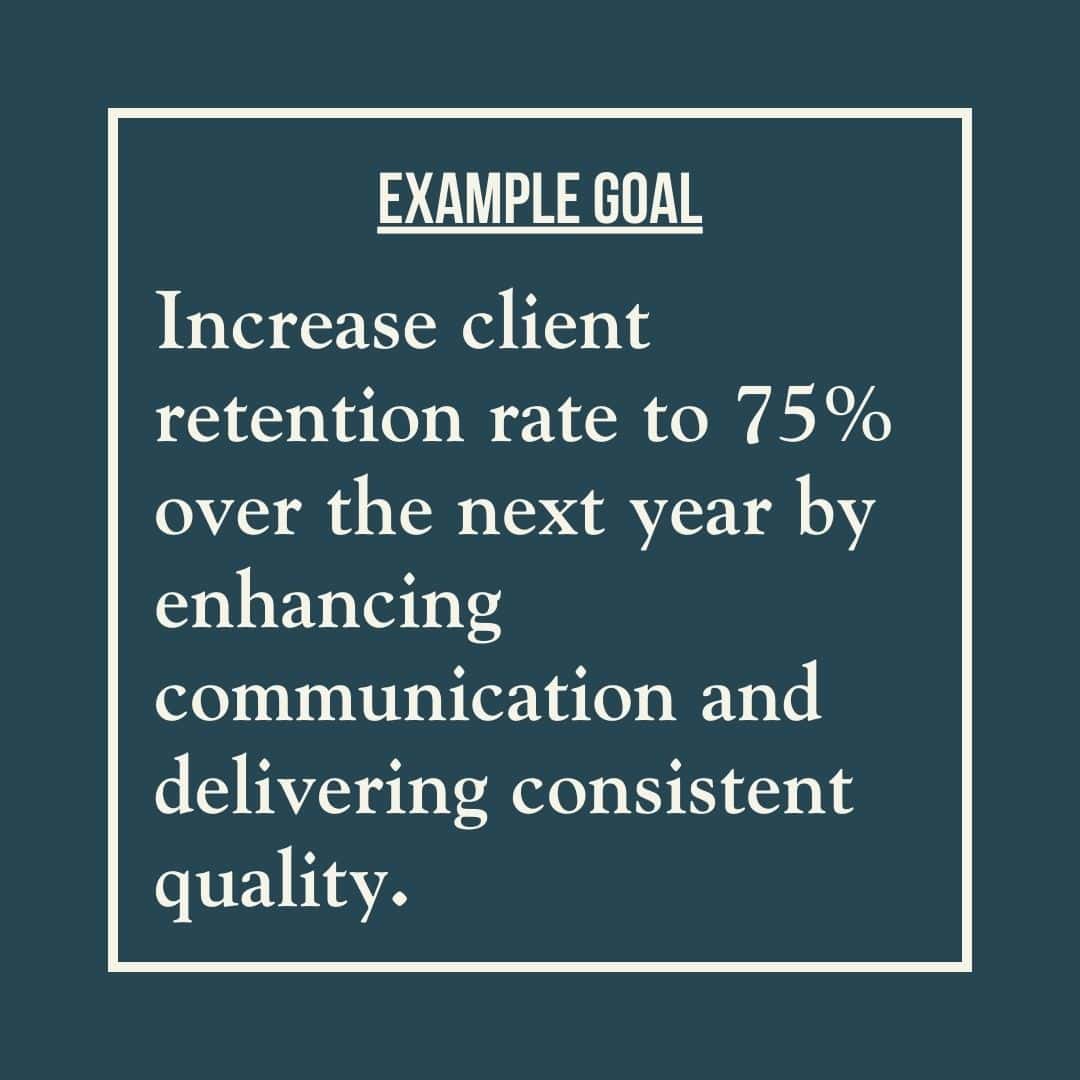
SMART as it sets a clear target (75% retention rate), a strategy (enhancing communication and quality), and a timeframe (one year). For freelancers, retaining clients is often more cost-effective than acquiring new ones. This goal focuses on building strong, ongoing relationships with clients through improved communication and consistently high-quality work.
It encourages the freelancer to understand and anticipate client needs, seek regular feedback, and make continuous improvements in their service delivery. Achieving a high client retention rate is indicative of client satisfaction and loyalty, which are crucial for sustainable business growth and a strong professional reputation.
12. Market Research
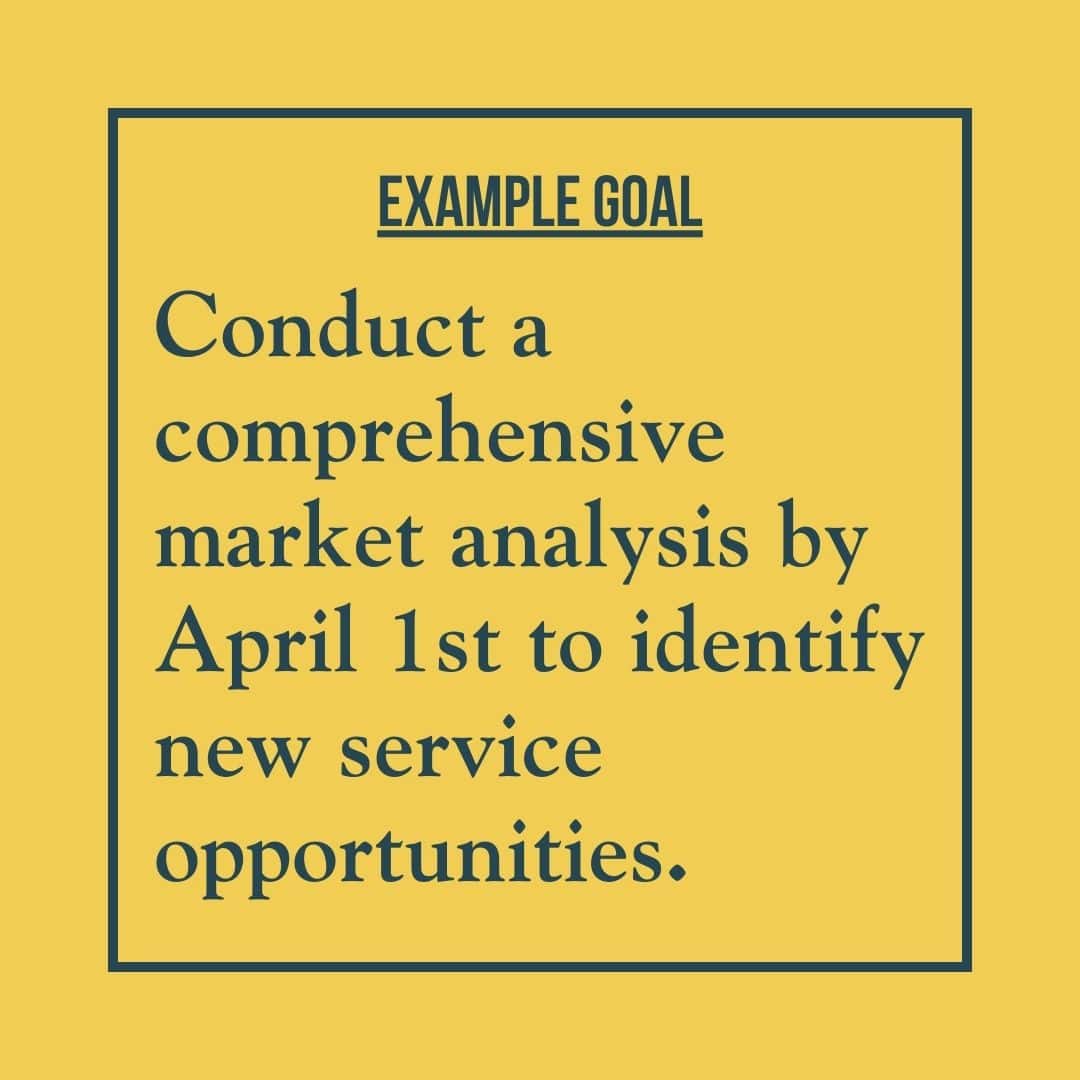
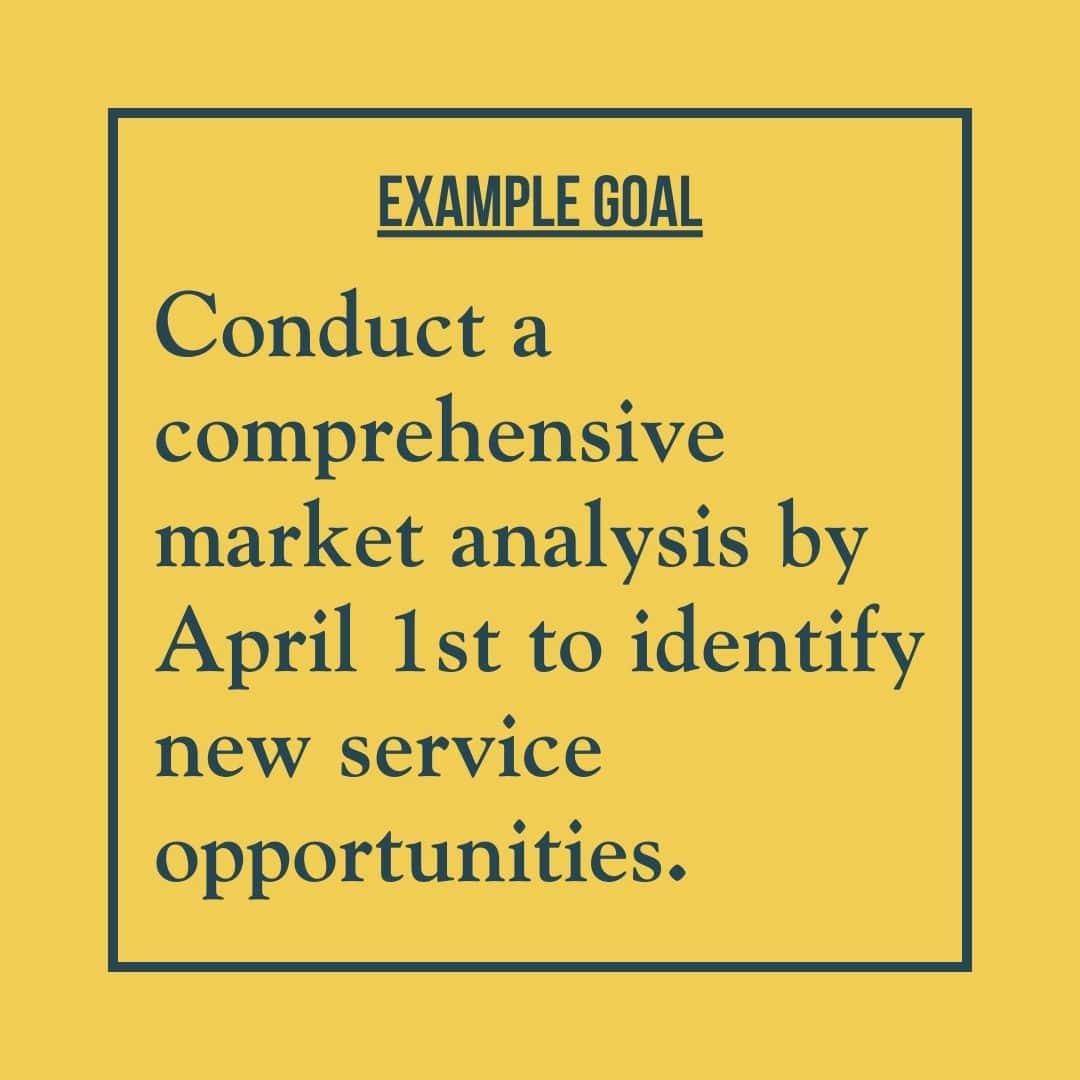
This goal is SMART as it clearly defines the task (conducting market analysis), the purpose (identifying new service opportunities), and sets a deadline (April 1st).
For a freelancer, especially one who is just starting out, understanding the market is crucial for identifying potential niches and opportunities. This goal encourages the freelancer to research current trends, competitor offerings, and potential client needs.
This analysis will provide valuable insights that can guide the development of new services or the refinement of existing ones, ensuring they meet market demands and preferences. Successfully achieving this goal will help the freelancer to strategically position themselves in the market and potentially increase their client base and income.

13. Collaborative Projects
This goal is SMART as it sets a quantifiable target (two projects), a collaborative approach (working with other freelancers or agencies), and a deadline (June 30th). For a new freelancer, collaboration is a key strategy for growth and learning.
Collaborative projects can provide exposure to new skills, ideas, and working methods. They also offer opportunities to build professional relationships and expand one’s network. This goal encourages the freelancer to actively seek and participate in collaborative efforts, which can lead to more diverse and challenging projects, enhancing their portfolio and reputation in the industry.

14. Financial Management
This goal is SMART as it specifies a financial target (15% reduction in expenses), a method (budget creation and adherence), and a timeframe (three months). Effective financial management is crucial for freelancers, particularly those in the early stages of their career.
This goal encourages the freelancer to analyze their spending, identify areas where expenses can be reduced, and implement a budget to control financial outflows. By reducing unnecessary expenses, the freelancer can improve their financial stability and allocate resources more efficiently towards business growth and development.
15. Professional Development
This goal is SMART as it sets a clear target (three workshops or seminars), a relevant activity (industry-specific learning), and a deadline (end of the year).
Continuous professional development is essential for freelancers to stay updated with industry trends and advancements. This goal encourages the freelancer to seek out and participate in educational events, which can provide new knowledge, skills, and networking opportunities.
Attending these events can also inspire innovation and improve the quality of the freelancer’s work, making them more attractive to clients and collaborators.
16. Quality Improvement
This goal is SMART as it outlines a specific improvement (quality check system), a measurable impact (reduce revisions, enhance satisfaction), and a deadline (March 1st).
For freelancers, delivering high-quality work is key to building a strong reputation and client base. This goal focuses on establishing a systematic approach to ensure quality in every project. By reducing the need for revisions, the freelancer can save time and resources, and improve client satisfaction.
Implementing such a system demonstrates professionalism and commitment to excellence, which are critical for success in the freelance market.
17. Time Tracking
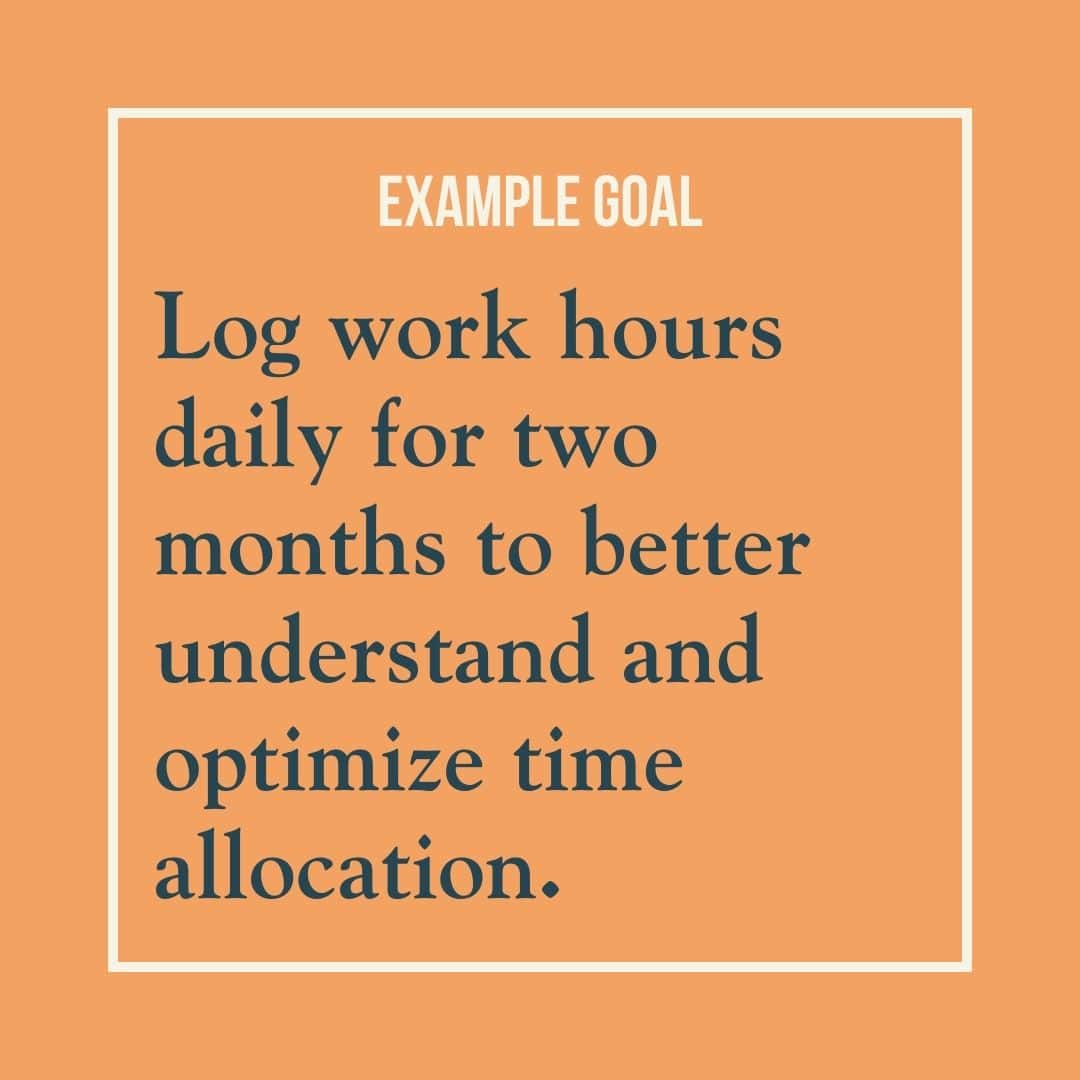
This goal is SMART as it specifies a clear activity (logging work hours), a purpose (understanding and optimizing time use), and a timeframe (two months). Effective time management is crucial for freelancers to maximize productivity and profitability.
This goal encourages the freelancer to closely monitor how they spend their time, providing insights into areas where efficiency can be improved. Understanding time allocation can also help in setting realistic deadlines, pricing projects accurately, and balancing work with personal life.
18. Public Speaking
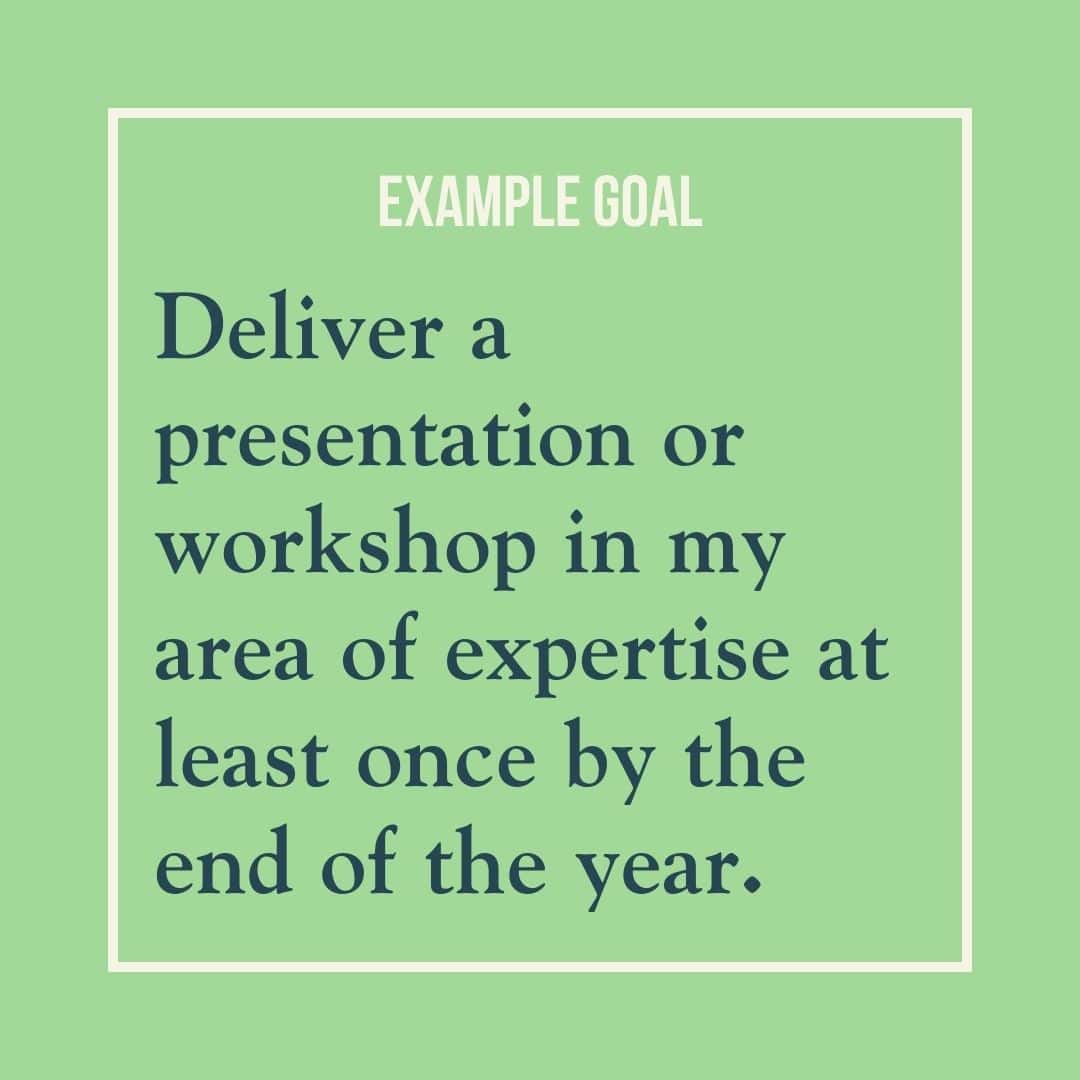
This goal is SMART as it sets a specific task (delivering a presentation or workshop), relates to the freelancer’s expertise, and has a deadline (end of the year). Public speaking can significantly enhance a freelancer’s visibility and credibility.
This goal encourages the freelancer to share their knowledge and establish themselves as an authority in their field. It also provides an opportunity to improve communication skills and network with potential clients and peers. Successfully achieving this goal can open up new opportunities for collaboration and business growth.

19. Feedback System
This goal is SMART as it clearly defines the task (establishing a feedback system), the purpose (gathering insights for improvement), and sets a deadline (April 15th). For freelancers, especially those starting out, client feedback is invaluable for understanding their strengths and areas needing improvement.
This goal encourages the freelancer to create a systematic approach to collecting and analyzing feedback, which can lead to enhanced service quality and client satisfaction. Regular feedback helps in making informed decisions about business strategies and service adjustments, ensuring continuous growth and client alignment.
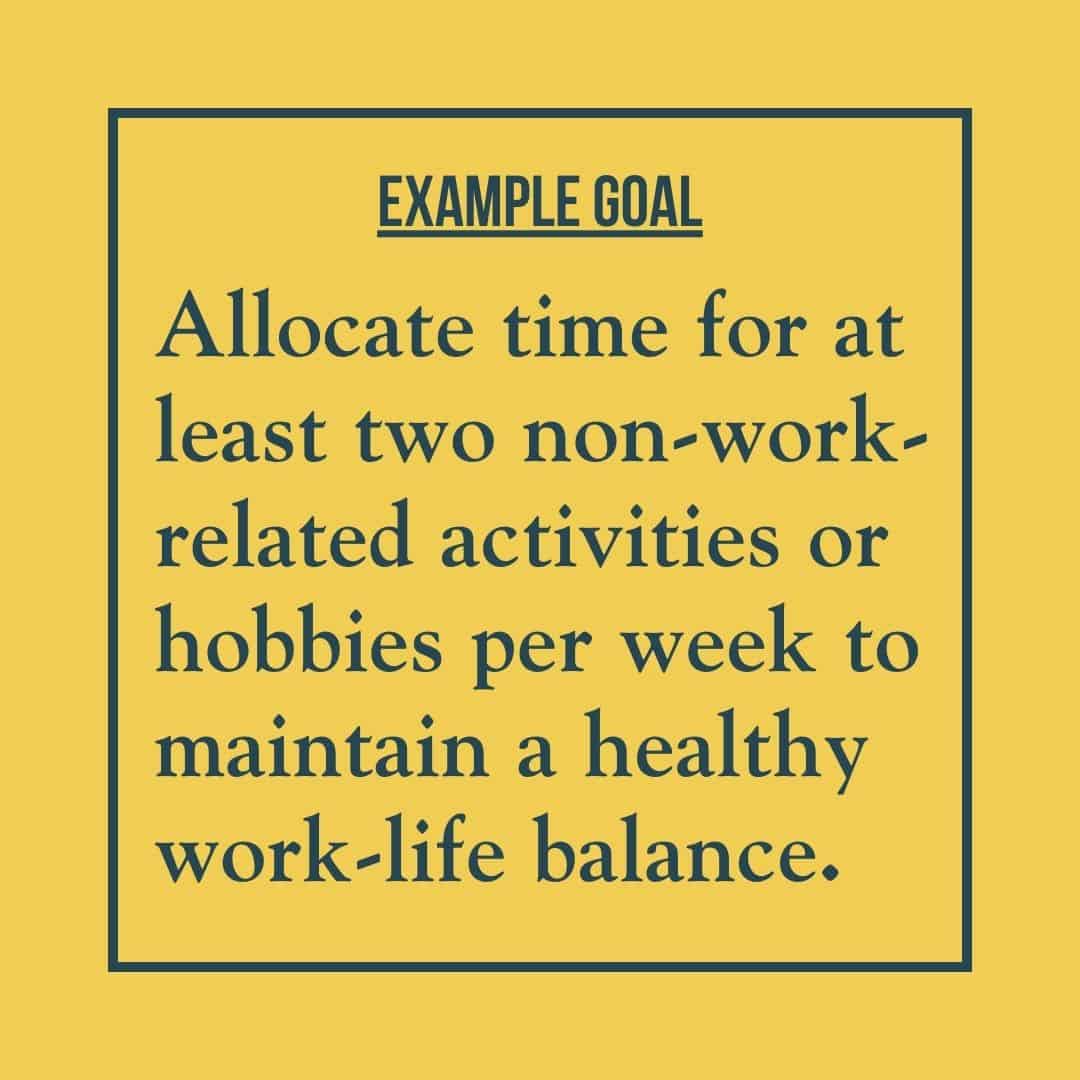
20. Work-Life Balance
This goal is SMART as it specifies a clear activity (engaging in hobbies or non-work activities), a quantifiable target (at least two times per week), and focuses on work-life balance. For freelancers, maintaining a balance between professional and personal life is crucial for long-term success and well-being.
This goal encourages the freelancer to prioritize their personal time and interests, which is essential for mental health, creativity, and overall productivity. By setting aside dedicated time for relaxation and personal interests, the freelancer can prevent burnout and maintain a more sustainable and enjoyable work rhythm.
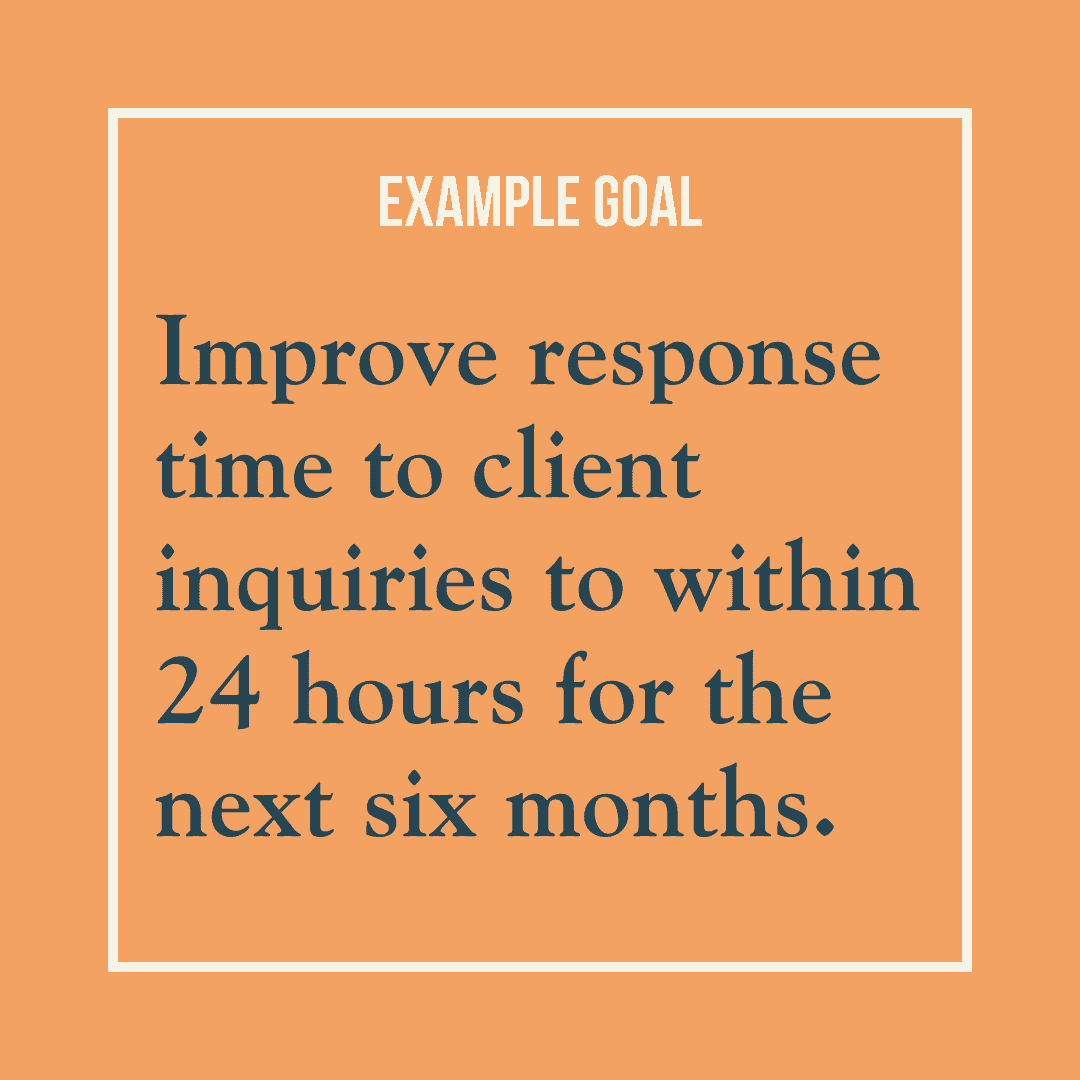
21. Customer Service
This goal is SMART as it sets a specific target (response time within 24 hours), a measurable outcome, and a timeframe (six months). Prompt response to client inquiries is a key aspect of good customer service. For a freelancer, responsiveness can significantly impact client satisfaction and perception of professionalism.
This goal encourages the freelancer to establish efficient communication practices, ensuring that clients feel valued and supported. Meeting this goal can lead to improved client relationships and potentially more business opportunities through positive word-of-mouth.
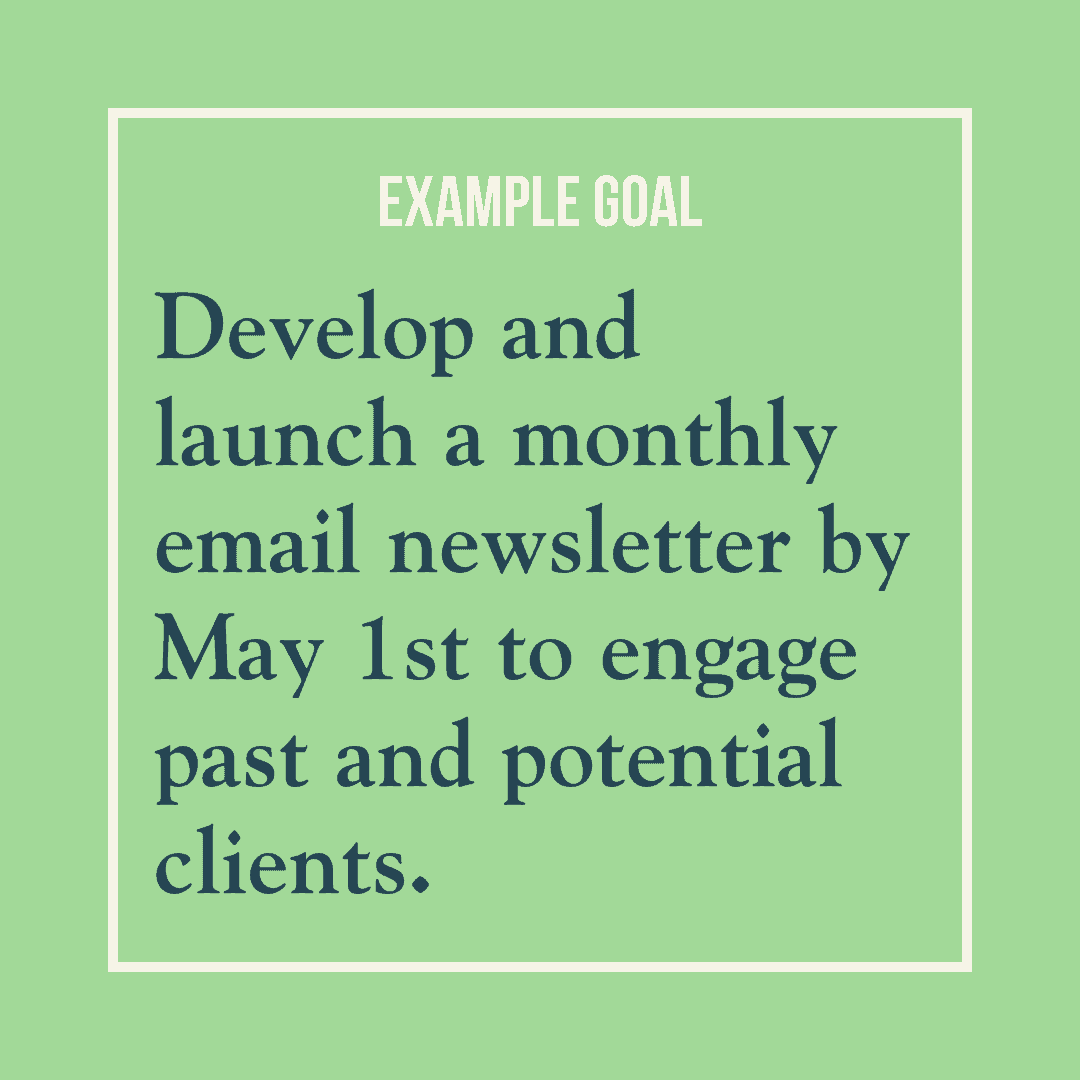
22. Email Marketing
This goal is SMART as it outlines a specific task (creating a monthly newsletter), a clear deadline (May 1st), and a purpose (engaging past and potential clients). Email marketing is an effective tool for freelancers to maintain contact with their client base and attract new clients.
This goal encourages the freelancer to regularly create and share relevant content, updates, or offers, keeping their audience engaged and informed. Successfully launching and maintaining a newsletter can enhance the freelancer’s marketing efforts, strengthen client relationships, and increase business visibility.

23. Online Presence Audit
This goal is SMART as it specifies a comprehensive task (auditing and updating online presence), a measurable outcome (consistency and professionalism), and a deadline (March 31st). For freelancers, a strong and cohesive online presence is crucial for attracting clients and building a brand.
This goal encourages the freelancer to review and refine their digital footprint across various platforms, ensuring that it accurately represents their professional image and services. A well-maintained online presence can significantly impact a freelancer’s credibility and appeal to potential clients.
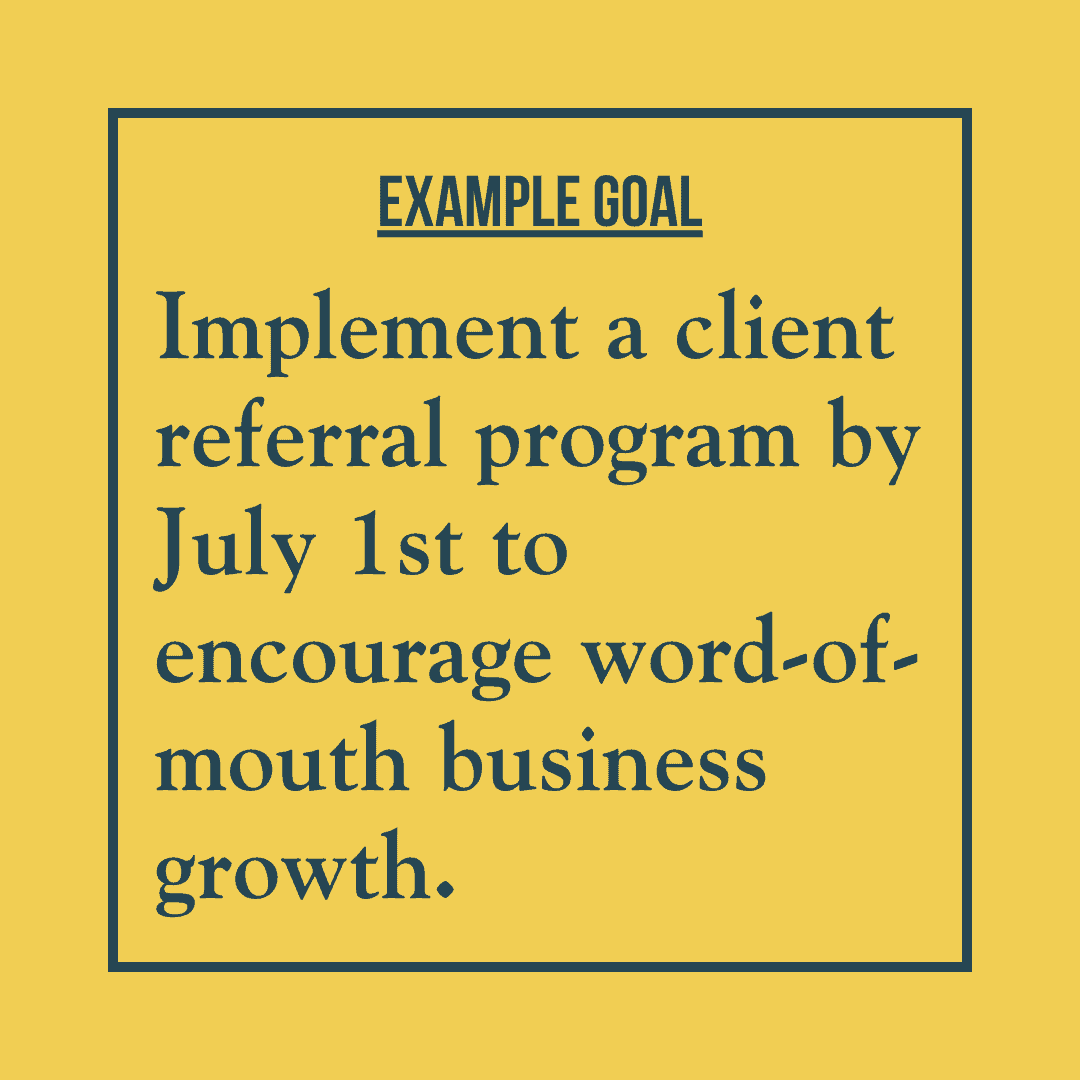
24. Referral Program
This goal is SMART as it sets a clear task (implementing a referral program), a purpose (encouraging word-of-mouth growth), and a deadline (July 1st). Referral programs can be highly effective for freelancers in acquiring new clients.
This goal encourages the freelancer to create a system that incentivizes existing clients to refer new business, leveraging their satisfaction and trust. A well-structured referral program can lead to increased client acquisition, stronger client relationships, and enhanced credibility in the market.
25. Project Management
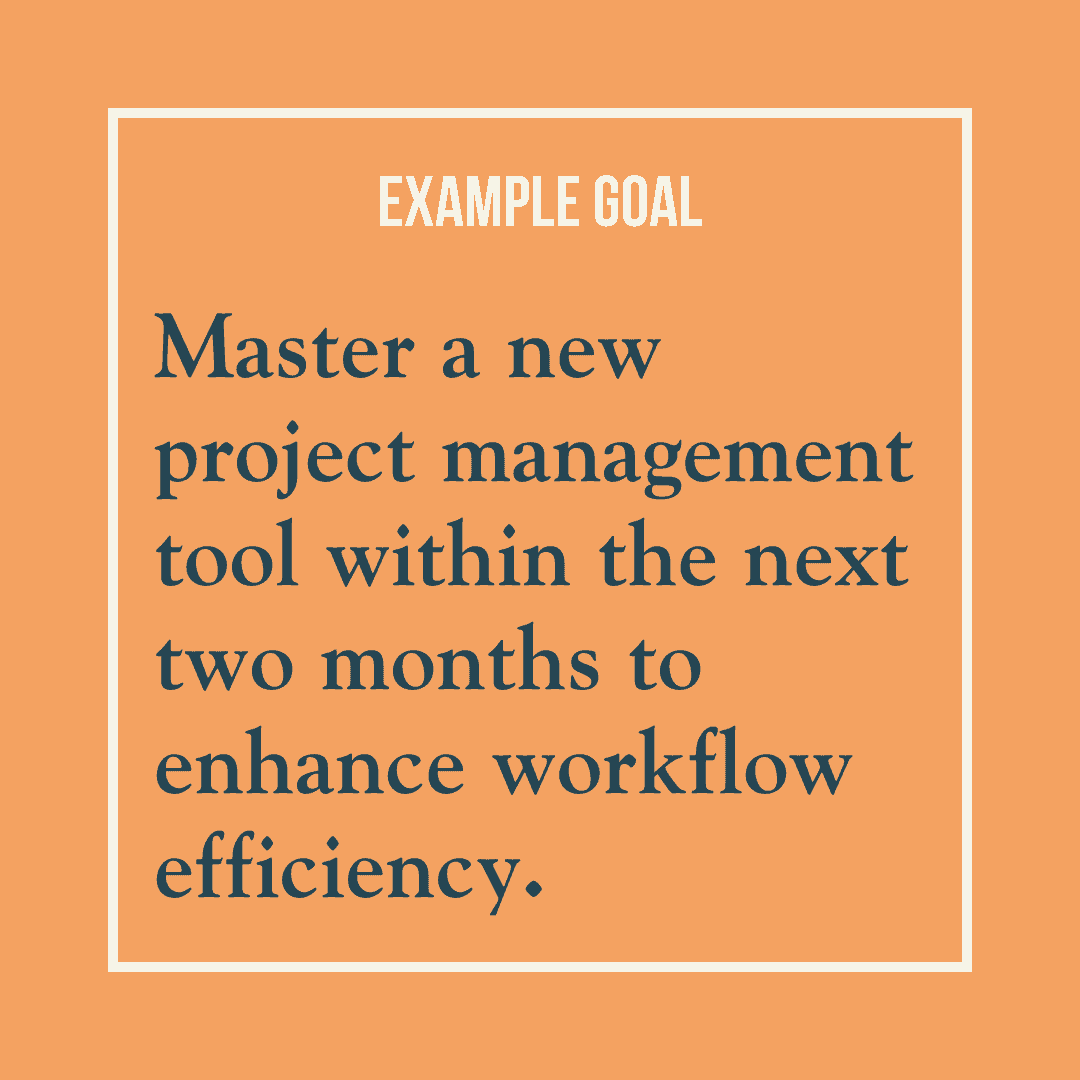
This goal is SMART as it outlines a specific skill to be acquired (mastery of a project management tool), a measurable outcome (enhanced workflow efficiency), and a timeframe (two months). Effective project management is key to a freelancer’s productivity and client satisfaction.
This goal encourages the freelancer to adopt and learn a new tool that can streamline their work processes, organize tasks, and improve time management. Mastering a project management tool can lead to more efficient project execution, better time allocation, and ultimately, higher quality work and client satisfaction.
Final Thoughts: SMART Goals for Freelancers
The journey of a freelancer is both exhilarating and challenging, and the key to navigating it successfully lies in setting SMART goals. These goals act as beacons, illuminating the path to professional growth, financial stability, and personal fulfillment.
By embracing the principles of Specific, Measurable, Achievable, Relevant, and Time-bound objectives, freelancers can transform their aspirations into tangible achievements. Whether it’s expanding your network, enhancing your skills, or balancing work with personal life, each goal you set and meet is a testament to your commitment and resilience.
Remember, in the dynamic world of freelancing, SMART goals are not just a framework but a powerful tool that shapes your journey, turning possibilities into realities. Keep these principles in mind as you continue to forge your path in the freelance world, and let SMART goals for freelancers be the guideposts that lead you to your desired destination.